
Tartans
Clan Sutherland has several identifying symbols, including the rampant wildcat crest, the Sutherland Coat of Arms, the plant badge (cotton sedge), the motto (Sans Peur, without fear), and the Clan Sutherland seat (Dunrobin Castle). Perhaps nothing is more iconic for a Highland Scottish clan than its tartan.
There is much academic debate about the origin and significance of tartans in general, but it is wise to avoid going down that rabbit hole. Instead, it is beyond dispute that in the 17th and 18th centuries, Scots distinguished themselves from all other inhabitants of Britain by wearing a traditional tartan kilt. It came to symbolize the wild, independent spirit and camaraderie of the Highlanders. After the defeat of the Jacobite rising, through an act of the British Parliament in 1746, the wearing of the tartan kilt by men or boys was against the law, punishable by 6 months in prison and, upon repeat offence, 7 years’ transport to a British colony. Scots who joined the British army were exempt. In that context, the tartan kilt worn by British infantry was intimidating and feared in many parts of the world. One notable example is the thin red line of the Sutherland Highlanders (93rd Regiment of Foot) at the Battle of Balaklava during the Crimean War. These 500 men, mostly sons of farmers across Sutherland, were wearing the traditional red coat above the Sutherland District Tartan kilt. In a line only two deep, instead of the typical depth of four men, this regiment, although seriously outnumbered, distinguished itself by repelling the attack of Russian cavalry.
Below are tartans that have been worn by Sutherlands at various times and occasions.


Sutherland Dress

Sutherland Old Ancient

Sutherland Old Muted

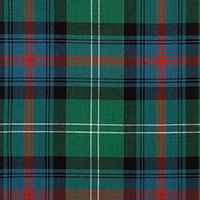

Sutherland Old Weathered
Sutherland Ancient
Sutherland Old


Sutherland Hunting Ancient
Sutherland of Duffus
Sutherland Tartan


Sutherland Hunting Modern
Sutherland District Ancient
Sutherland District Modern